.jpg)

“The era of the ‘one-size-fits-all’ model is over.” Hyper-personalization is gradually becoming an inevitable trend, enabling banks to create products, services, and recommendations that best fit each customer’s financial goals and specific circumstances. (Patrice Passé-Coutrin – Technology Consulting Director at PwC Luxembourg)
More than just a trend, Hyper-Personalization is now being integrated into the development strategies of many digital banks. However, to implement it effectively, banks need a clear understanding of how to apply this model in practice.
Join OMverse as we explore five notable case studies on how banks have successfully implemented hyper-personalization to deliver breakthrough customer experiences in the article below.
2. KBC x Personetics – Personalizing the Banking Experience Through Transaction Data
In the wave of financial service personalization, not every bank has the capability to independently develop effective solutions. To enhance customer experience, KBC, a Belgian multi-channel banking and insurance group, partnered with Personetics to implement Engage - a white-label solution directly integrated into the bank’s digital channels.
Engage provides personalized financial insights and analytics, delivers relevant recommendations, offers real-time financial guidance, and supports automated financial management. By deeply leveraging transaction data, KBC is able to deliver financial services that closely align with individual customer needs while optimizing its cross-selling strategies.
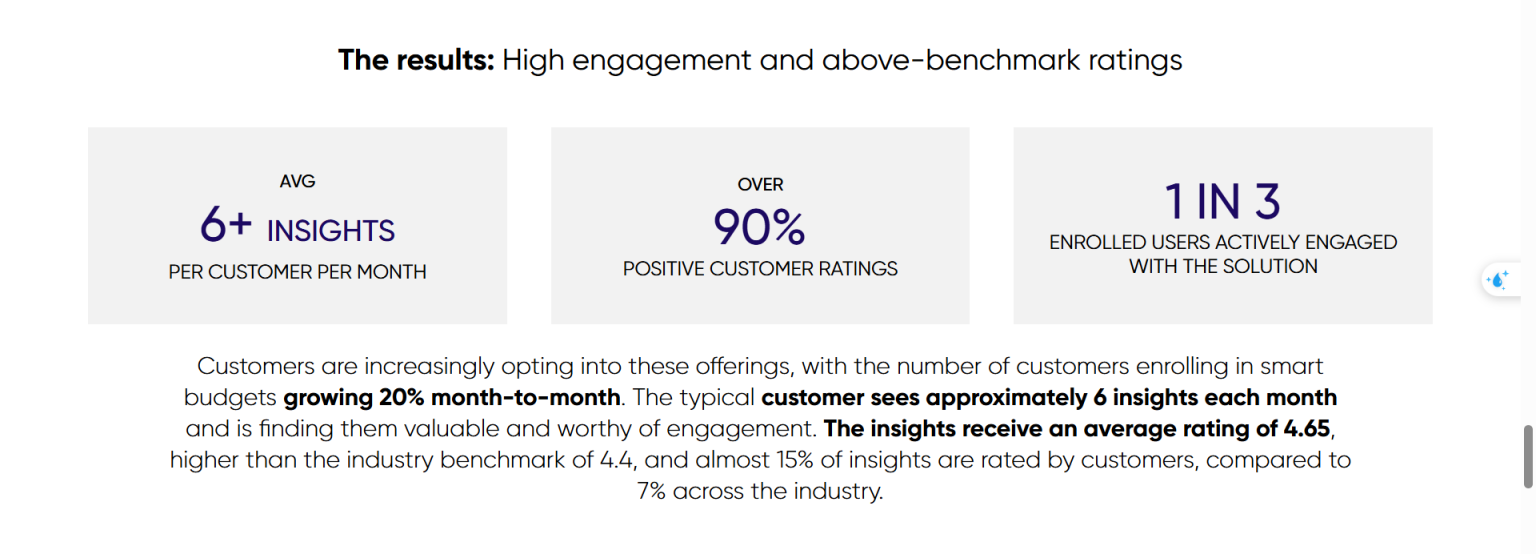
KBC and Personetics collaborated to implement a hyper-personalization strategy and achieved impressive results.
3. Länsförsäkringar x Meniga – Delivering Personal Financial Management Services
Personalization is not only a tool to drive purchasing behavior, but also a way for brands to build long-term customer loyalty. A notable example is the partnership between Meniga and Länsförsäkringar, one of Sweden’s largest financial institutions, to launch a Personal Financial Management (PFM) solution.
Powered by Meniga’s platform, the system provides real-time insights into customers’ spending habits, acting as a powerful financial assistant. As a result, the bank successfully positioned itself as a trusted companion, supporting customers throughout their journey of managing and optimizing personal finances.
4. Santander Bank – Personalizing Promotional Offers
Personalization is not limited to delivering financial products; it can also be a powerful way for banks to provide the right offers at the right time, tailored to each customer’s spending behavior. Santander Bank, the third-largest bank in Poland, is a notable example of successfully applying this strategy.
By leveraging artificial intelligence (AI), Santander Bank analyzes transaction data to create personalized promotional offers, responding promptly to the evolving needs of both existing and potential customers. As a result, the bank not only improves outreach effectiveness but also strengthens customer engagement throughout every stage of their financial journey.

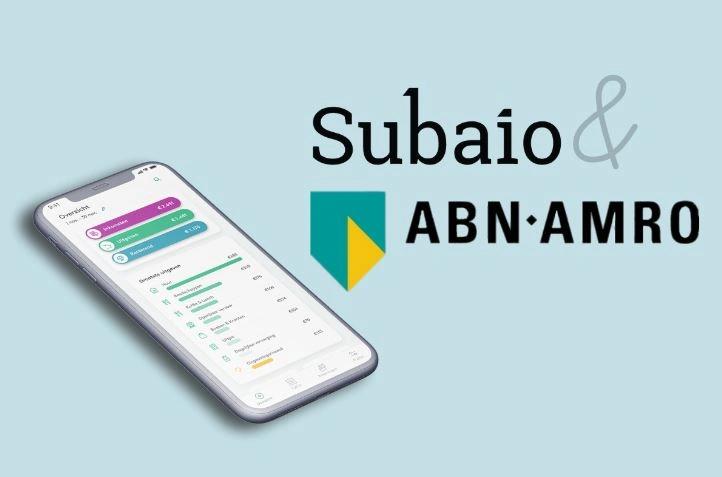
ABN AMRO and Subaio made a strong impression with their optimized loan recommendation feature, powered by customers’ spending habits and financial behavior.