.jpg)

1. Combining Physical and Digital Experiences
Although Gen Z prioritizes online transactions, they still value the presence of physical bank branches for support when needed. According to a global consumer trends survey by the Oliver Wyman Forum, 43% of Gen Z respondents said that the combination of physical and digital banking makes them feel more secure when using financial services.
In this context, banks need to maintain a consistent presence across both online and offline channels, ensuring that young customers can always access support whenever needed. A seamless service system - from online consultation to in-person assistance - not only enhances the customer experience but also strengthens Gen Z’s trust and connection with the brand.

2. Optimizing the Digital Experience
As true “digital natives,” Gen Z has high expectations for smooth, intuitive, and engaging digital experiences. According to surveys, 73% of Gen Z consider customer experience to be the deciding factor in choosing their favorite brand, highlighting the strong connection between experience quality and customer loyalty.
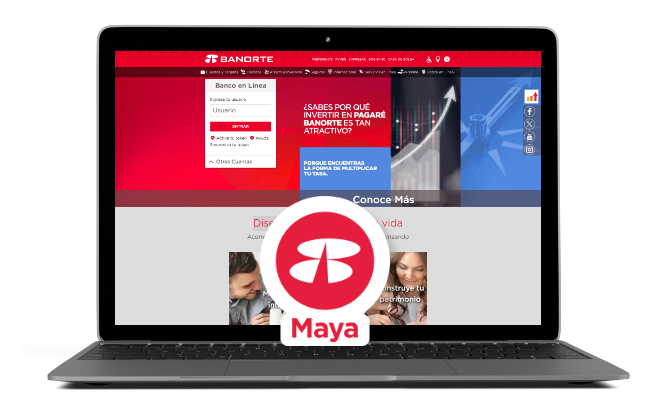
To optimize digital experiences, banks can integrate visually appealing graphics, game-like interactive features, and user-friendly interfaces that better align with the preferences of this generation. A clear example is Banorte, which successfully elevated its digital experience through an AI virtual assistant on WhatsApp.
Recognizing that many retired customers were already familiar with WhatsApp, Banorte introduced an AI chatbot that allows users to check balances, review transactions, apply for loans, and receive instant support without waiting for human agents. The results after just one month were impressive: request handling volume increased by 300%, generating $2 million in automated loan revenue while significantly improving customer satisfaction.
3. Personalizing Banking and Payment Services
According to a survey by Deloitte, 50% of Gen Z are willing to switch banks for a better personalized service experience. Personalization is no longer simply a competitive advantage, it has become a necessity for attracting and retaining this generation of customers. When Gen Z feels understood and valued, they are more likely to develop a stronger connection with the brand.
To achieve this, banks need to leverage AI and data analytics to provide accurate financial recommendations that directly address customer needs while optimizing operational efficiency. One notable example is Credit Karma, a highly personalized platform that helps users manage spending and debt more effectively.
Powered by advanced predictive algorithms, Credit Karma collects over 2,600 data points from each user and generates 8 billion predictions within seconds to recommend the most suitable financial products.
.png)
4. Commitment to Sustainable Development
According to Deloitte, 64% of Gen Z are willing to spend more on high-quality, sustainable products that demonstrate environmental and social responsibility. This mindset is also reflected in how they choose financial brands: banks with strong commitments to sustainability tend to have a competitive advantage among this generation.
To position themselves as green brands, banks need to actively develop sustainable financial products and initiatives while integrating sustainability into their long-term strategies. One prominent example is Bank of America, a pioneer in sustainable corporate bonds. From 2013 to 2023, Bank of America issued 11 sustainable bonds worth a total of $14.93 billion, becoming the first U.S. bank to achieve this issuance scale through such initiatives.

5. Keeping Up with Social Media Trends
Social media is no longer just an entertainment platform, it has become a place where young people consume information, access knowledge, and discover their favorite financial products. Gen Z tends to absorb content quickly through concise and visually engaging formats, requiring banks to establish a stronger and more relatable presence on these platforms.
Instead of relying solely on traditional posts, banks can create engaging financial stories, lesser-known money management tips, or entertaining challenges. Collaborating with influencers and finfluencers is also an effective way to capture attention and build trust among younger audiences.
A standout example is Monzo, known for its creative social media strategy. Rather than maintaining a rigid corporate image, Monzo embraces humorous, highly shareable meme content that follows trends and creates a closer connection with users. Its vibrant and distinctive brand identity appeals strongly to both Gen Z and Millennials. Beyond memes, Monzo also leverages Stories and Highlights to showcase app features, share educational content, and maintain active engagement. Thanks to its flexible and innovative strategy, Monzo has become one of the leading digital banks on social media.
.jpg)
Conclusion:
Born in the digital era, Gen Z has early access to banking technologies and conveniences, leading to higher expectations for digital experiences, personalized services, sustainability, and social media engagement. To successfully win over this highly potential customer segment, banks must not only adapt quickly but also proactively innovate,